Dolomite Alpine Passes: High Ridges, Solitary Huts & Silent Snow
Walking the ancient limestone high plateaus where alpine silence meets rich mountain heritage.
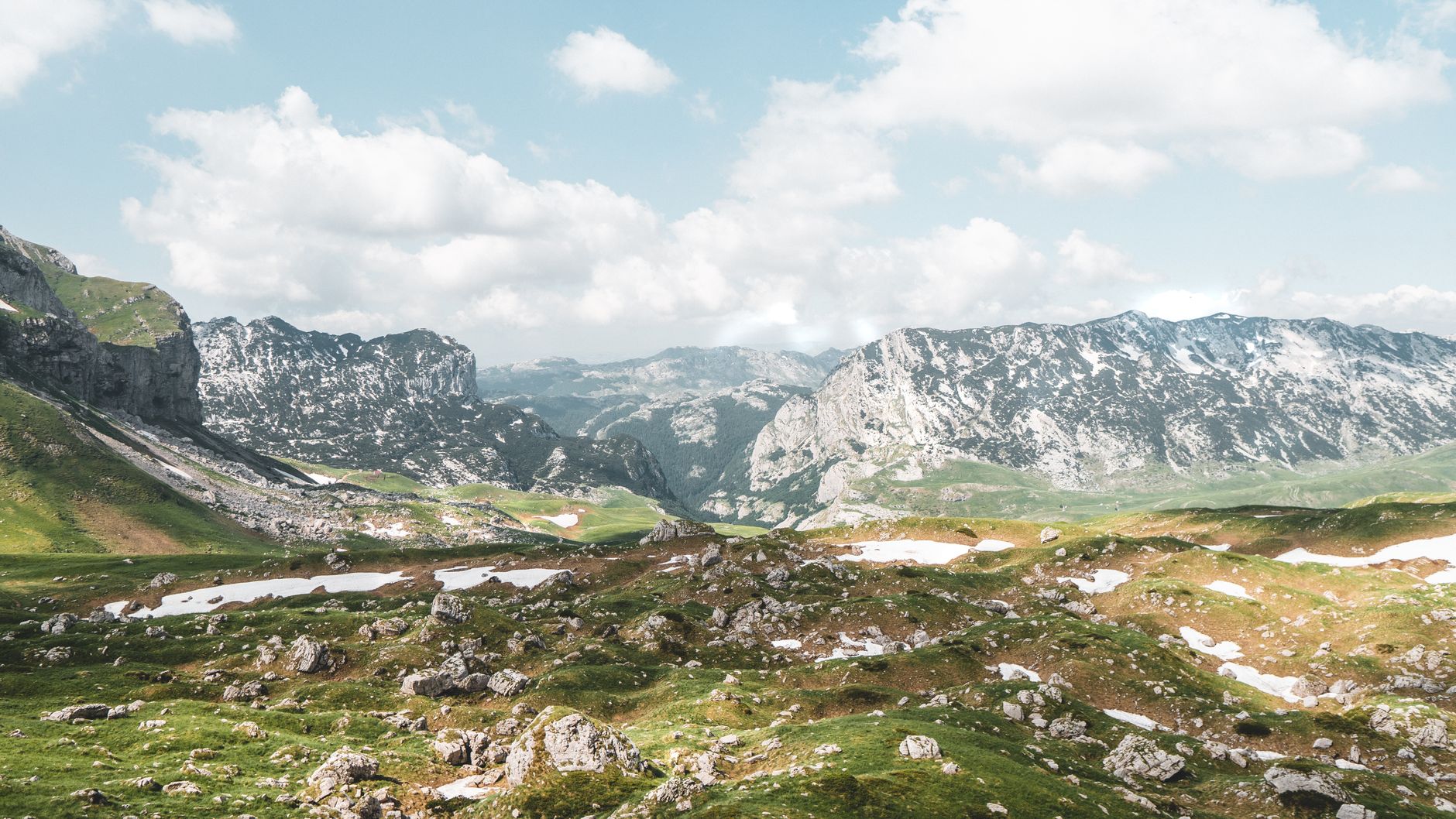
Table of Contents
Above two thousand meters, the larch forests yield to austere expanses of scree, rock pavement, and dramatic vertical spires. The Dolomites, an ancient coral reef thrust upward by tectonic collision, display an extraordinary mineral luminosity called the *enrosadira*—the pink and ochre glow that floods the limestone faces at twilight.
1. Fossilized Coral in the High Sky
Traversing the passes of Passo Giau or the Tre Cime loop in the shoulder season affords a rare confrontation with deep time. In the fractured stone beneath your hiking boots lie the fossilized impressions of Triassic marine organisms, suspended two miles above sea level.
2. The Solitary Culture of Alpine Rifugi
Staying overnight in a historic alpine rifugio offers a stark and rewarding contrast to luxury valley resorts. Meals are communal and hearty: polenta stirred over wood flames, wild mushroom ragouts, and mountain cheeses made from cows grazing high summer pastures.
3. Sustainable Mountain Transit
Preserving these delicate alpine ecosystems requires shifting away from crowded passenger cars. The network of mountain rail, quiet electric valley shuttles, and gondolas makes it entirely feasible to cross entire mountain massifs without burning fossil fuels on high passes.
Plan Your Alpine Trek with 111111
Let our team design an off-season walking itinerary staying in family-owned mountain sanctuaries.
Start Route Consultation