Kyoto's Hidden Tea Pavilions: Ritual, Cedar & Ephemeral Architecture
Exploring the profound spatial philosophy behind four-and-a-half tatami chambers and artisan Uji tea heritage.
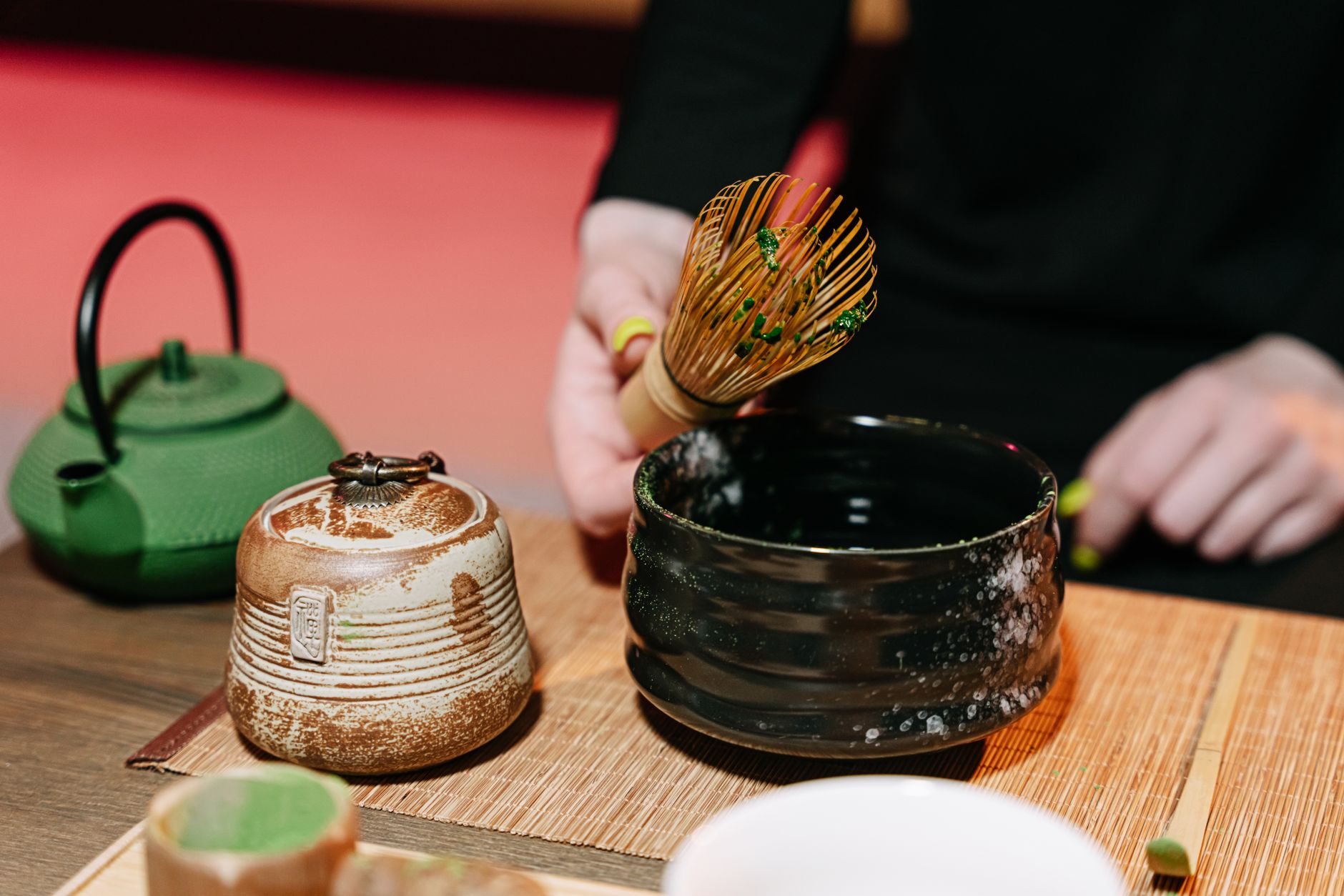
Table of Contents
In the northeastern hills of Kyoto, beneath the dark crowns of Kitayama cedar, the noise of urban train stations ceases. In its place emerges the delicate clack of bamboo water fountains and the muffled footfalls of visitors traversing stepping stones covered in damp, velvet moss.
1. The Concept of Ma and Intimate Scale
Unlike Western monumental architecture which commands subjugation, the traditional Japanese chashitsu (tea pavilion) is intentionally humble. Squeezing through the crawl-in entrance (nijiriguchi) forces prince and commoner alike to bow, leaving social hierarchy outside. Inside, the negative space—known as *ma*—allows the guest to reflect upon a single seasonal blossom placed in an unglazed ceramic vase.
2. Terroir of Uji: Single-Origin Matcha Cultivation
Traveling south along the Uji River reveals the misty hillsides where tea bushes have been shaded under reed screens for over eight hundred years. Shading forces the plant to concentrate its chlorophyll and amino acids, producing a deeply savory, umami-rich infusion that defies commercial mass-market powders.
3. The Practice of Slow Ritual Observance
Watching a tea master handle a bamboo whisk with measured grace reminds the modern traveler that journeys are not about checklist completions. They are about yielding to the singularity of the present moment (*ichi-go ichi-e*): this exact encounter will never happen again.
Inquire for Private Kyoto Field Access
111111 works directly with local cultural stewards to curate respectful, small-scale visits.
Speak to our Japan Specialist